
Introduction
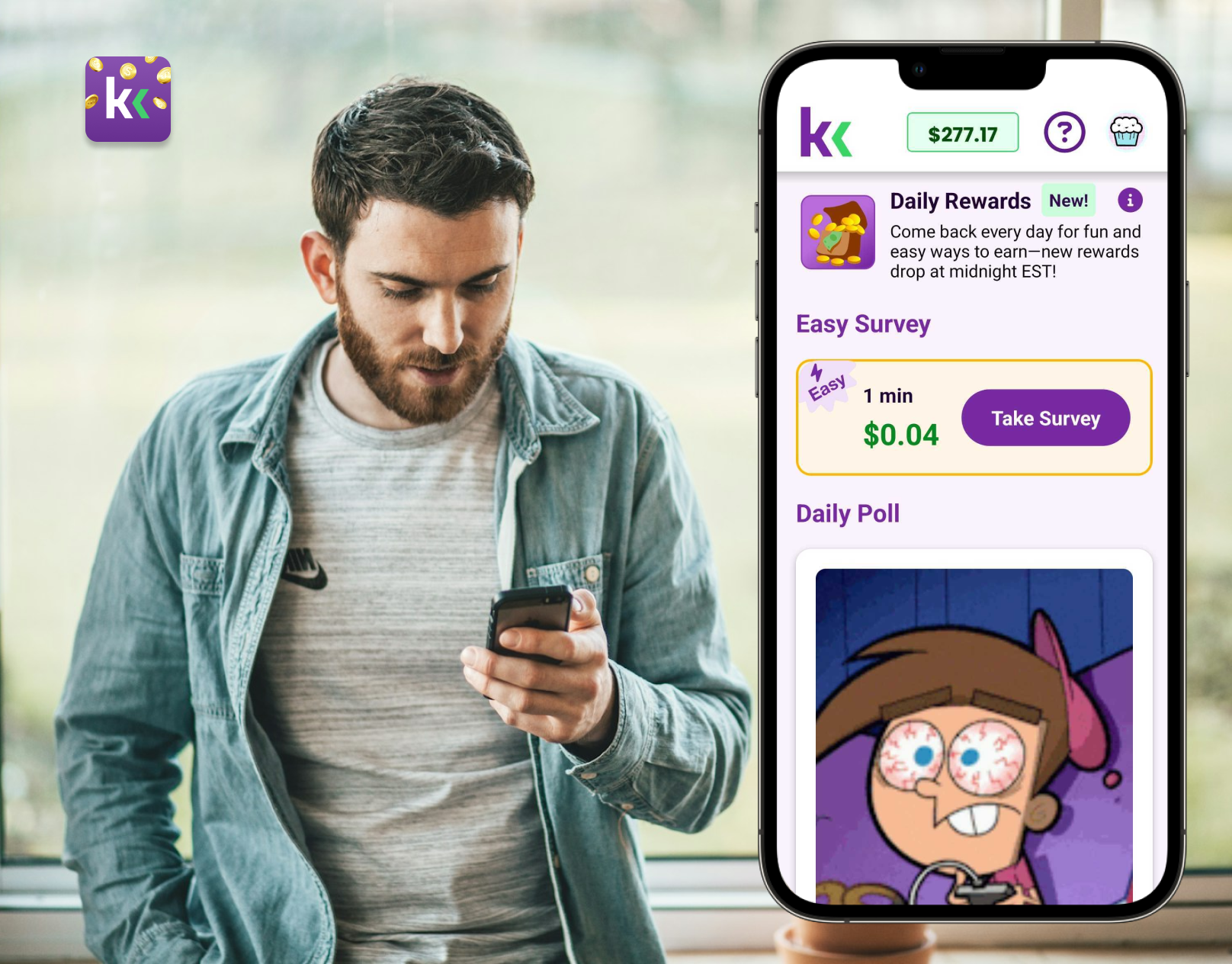
KashKick explored Daily Rewards as a way to improve retention and repeat engagement by introducing lightweight, recurring interactions that encouraged users to return each day. While acquisition was strong, many users disengaged early, and existing engagement mechanics were not creating consistent return behavior.
This case study focuses on how Daily Rewards was designed, tested, and evaluated as a daily engagement system, and how clear signal extraction helped inform prioritization decisions within a constrained roadmap. The work emphasizes disciplined validation, opportunity-cost awareness, and knowing when further investment was not justified.
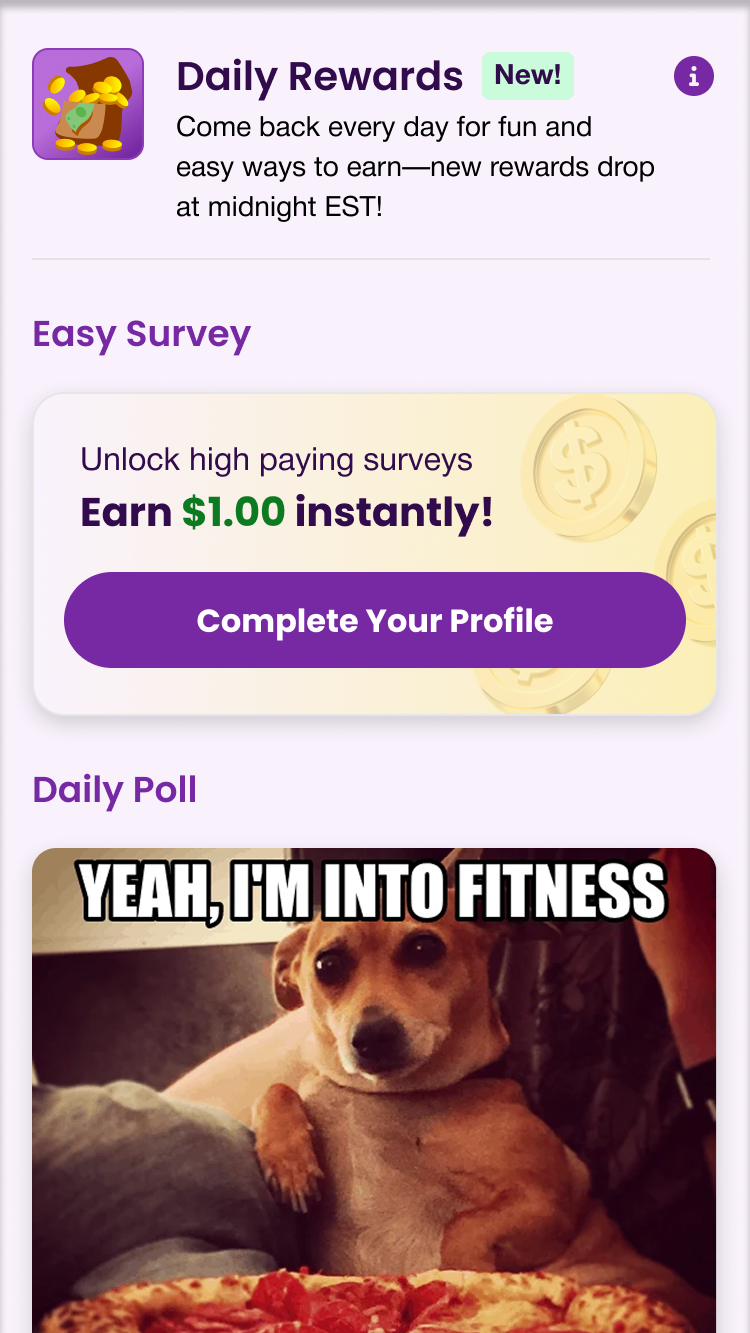
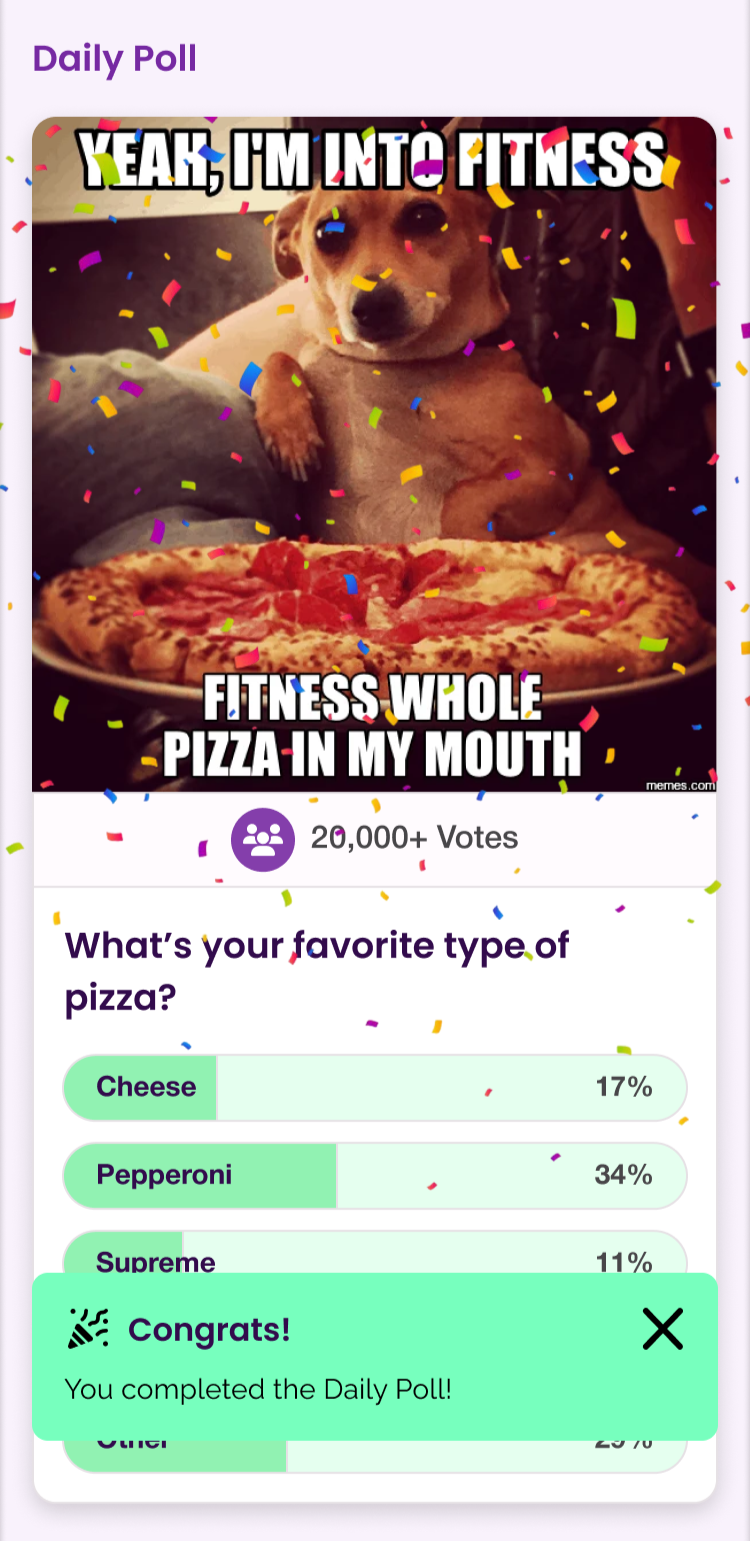
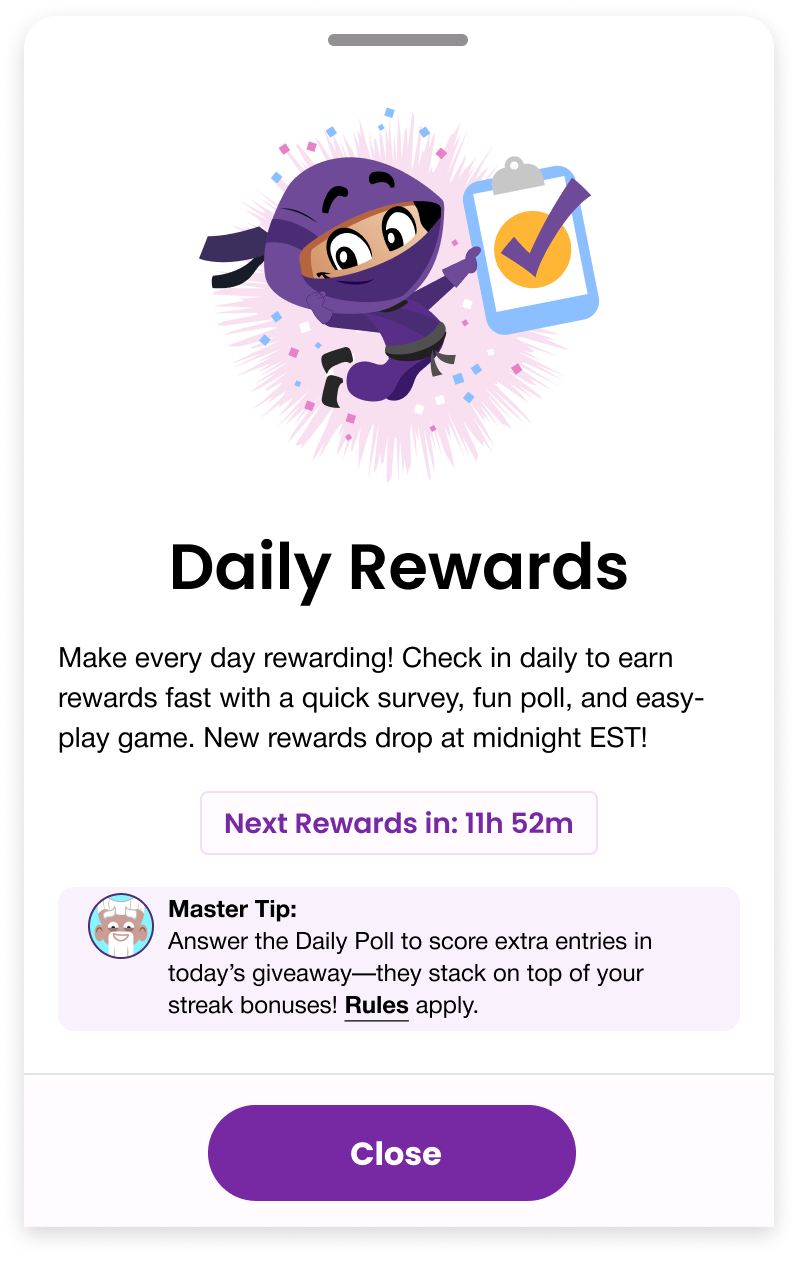
Daily Rewards as a lightweight engagement system
Role & Scope
This work was led from a product strategy and experimentation perspective, partnering with Product, Engineering, Data, Market Research, and Marketing.
The scope focused on:
Defining the daily engagement problem and success criteria tied to retention
Designing lightweight, low-friction reward mechanics for evaluation under existing constraints
Coordinating experimentation, research, and promotion, including lifecycle placement and a win-back campaign
Expanding measurement from 30 to 90 days as early engagement signals emerged
Translating findings into clear prioritization decisions, including when further investment was not justified
Daily Value as a System
Rather than introducing a single feature, Daily Rewards was approached as a system designed to support daily return behavior. The goal was to make participation feel quick, predictable, and easy to repeat.
The approach emphasized low-friction interactions, clear daily visibility, and lightweight rewards that reinforced consistency without increasing platform liability. Success was measured by whether users returned and participated regularly, not by one-time engagement spikes.
This framing allowed Daily Rewards to be evaluated as a habit-forming layer, rather than a standalone feature competing for attention.
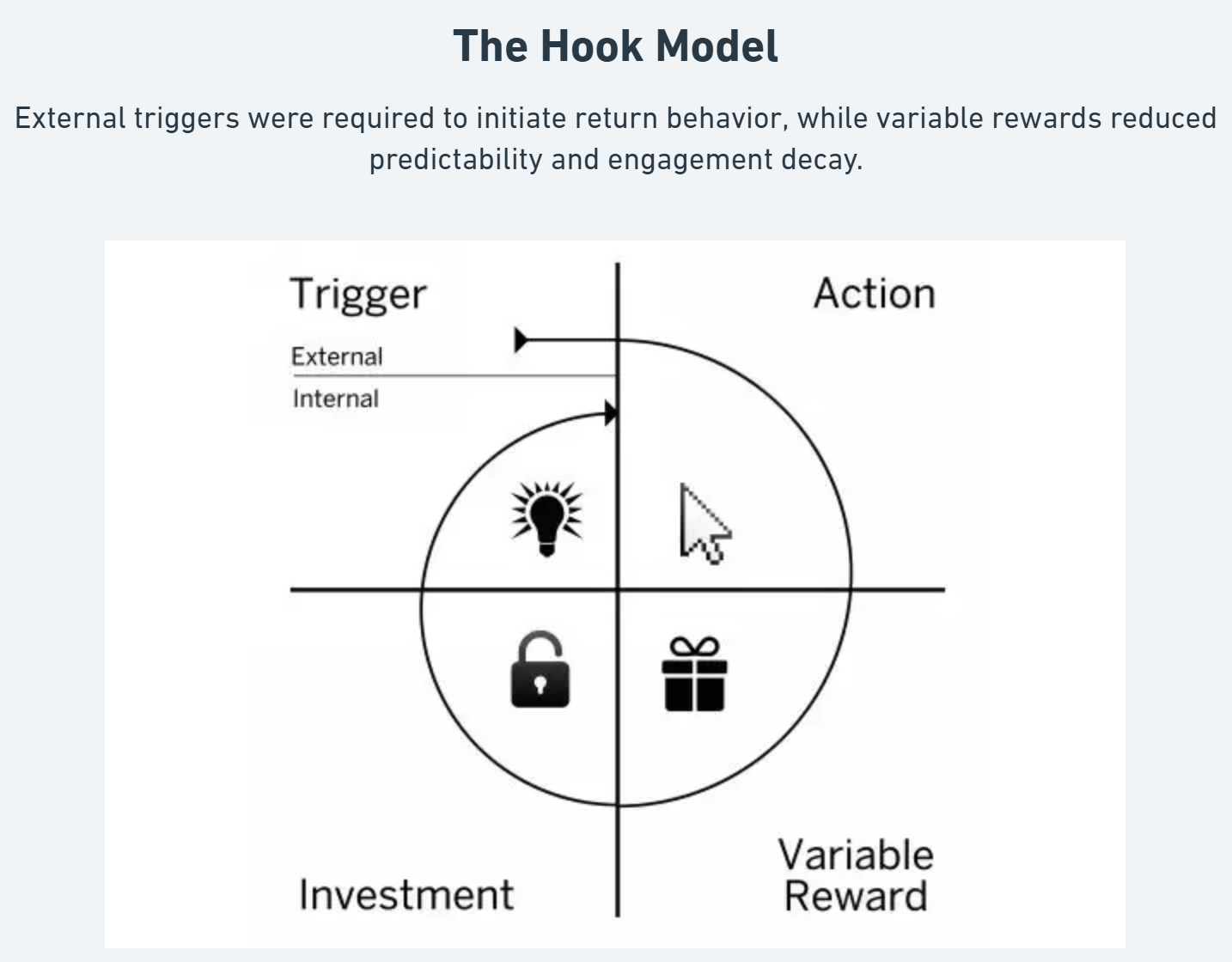
Habit loop model used to inform Daily Rewards engagement design
Experiment Design & Validation Approach
Daily Rewards was structured as a low-friction, repeatable engagement system to test whether lightweight daily interactions could meaningfully improve return behavior without increasing payout liability.
The experiment emphasized speed to signal, favoring simple mechanics (polls, surveys, and quick games), variable reward ranges, and clear completion moments. Rather than optimizing for depth or novelty, the goal was to validate whether habit-friendly interactions could consistently pull users back into the product.
Measurement focused on return frequency, participation consistency, and user sentiment, allowing the team to assess engagement quality and sustainability before committing further engineering or operational investment.
Phased experiment structure and validation artifacts:
Early concepts focused on fast-to-build mechanics (polls, surveys, quick games) with randomized micro-rewards, used to extract engagement signal before committing to core rollout.
Results & Signal Extraction
The Daily Rewards experiment produced clear early signal around engagement quality and habit potential without requiring a full core rollout.
Lightweight mechanics such as polls and surveys consistently outperformed more complex interactions, driving improvements in activation, DAU, and short-term retention, particularly for new users. External triggers and variable micro-rewards supported repeat participation, while richer mechanics showed diminishing returns without deeper platform investment.
These results enabled a confident decision to extract value from the experiment, extend measurement windows, and deprioritize immediate core rollout in favor of higher-impact initiatives.
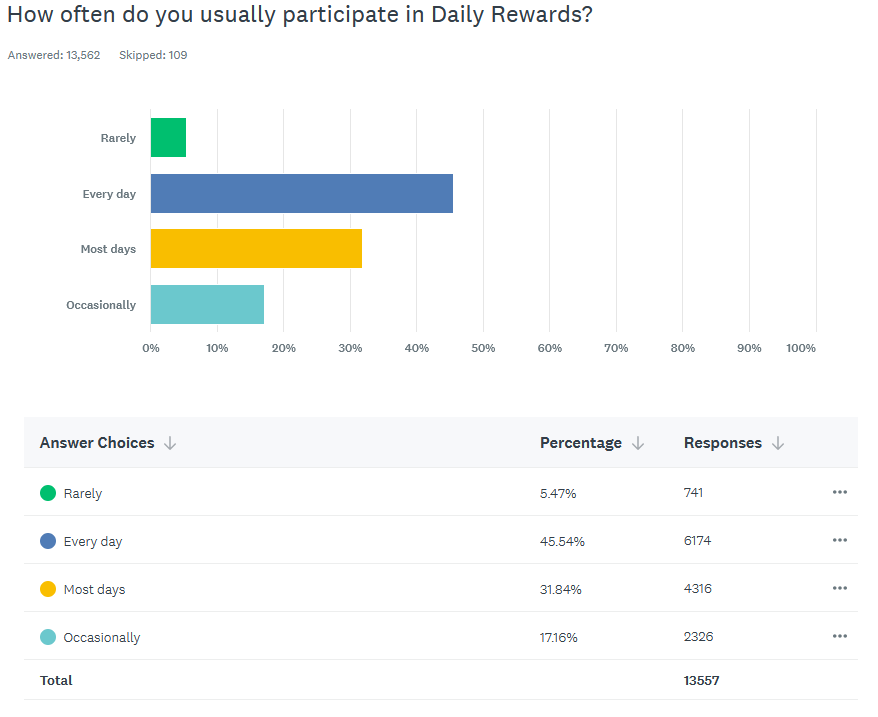
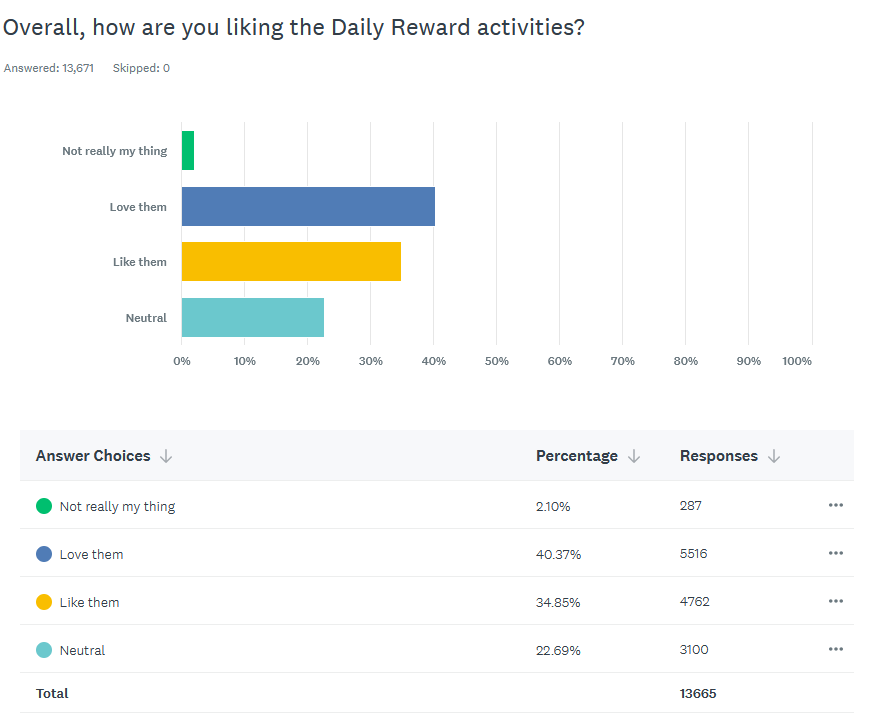
Early engagement signal from Daily Rewards experiment:
Majority positive sentiment and consistent short-term participation validated habit potential without requiring core rollout.
Organizational Impact & Takeaways
The Daily Rewards experiment reinforced several principles that informed future engagement work. Lightweight, highly visible interactions consistently outperformed more complex mechanics, validating the importance of reducing friction when designing for repeat behavior.
Cross-functional collaboration also proved critical. Coordinated lifecycle messaging and win-back campaigns led to a 5–11% increase in sessions, demonstrating that engagement systems required both product design and intentional promotion to succeed.
Retention gains were observed across multiple time horizons, with stronger impact for new users, while revenue remained flat in the short term. Together, these signals supported a disciplined decision to capture learnings without committing further platform investment, preserving focus for higher-impact initiatives.